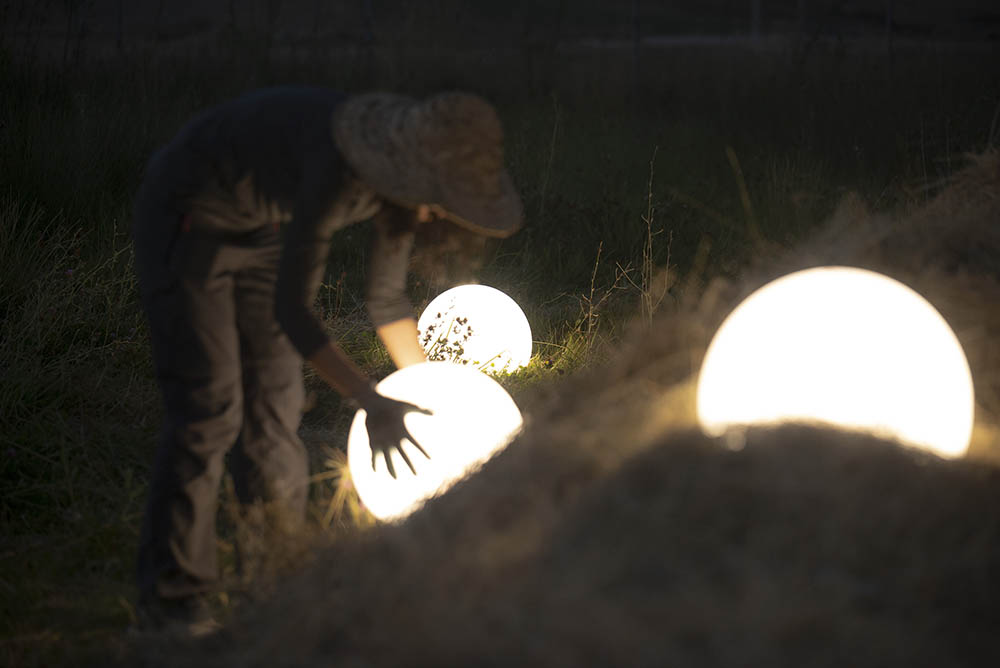
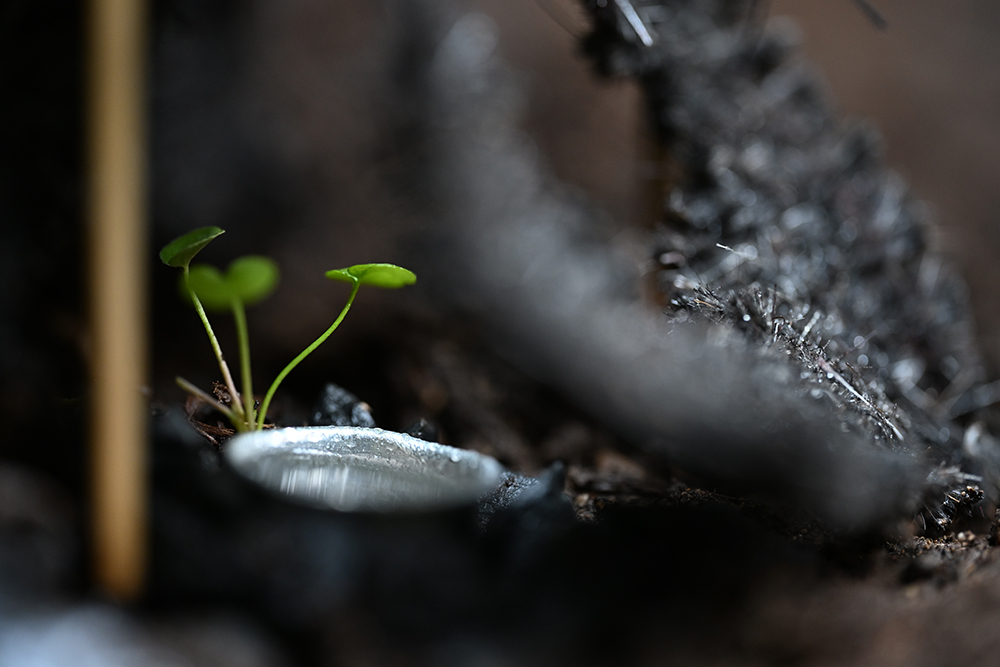
The study operates at a miniature scale, where everyday objects are approached as autonomous spatial agents, released from fixed function and meaning. Through subtle shifts in scale and position, space emerges from small, precise encounters between objects rather than from designed form, privileging presence, opacity, and relation over representation.
Explore → (Updating…)
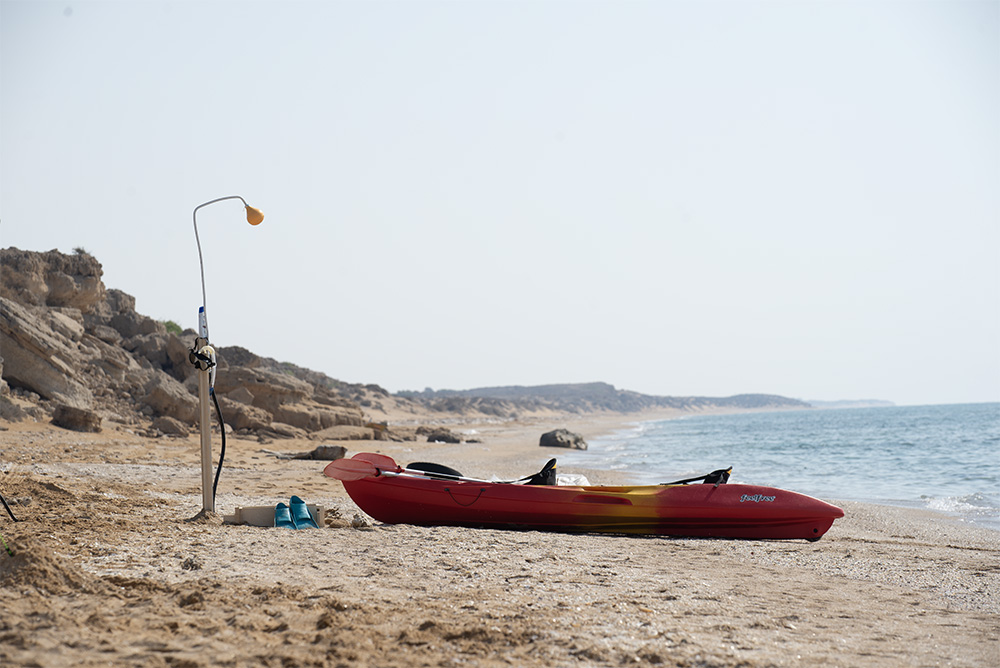
This temporary structure reconsiders the shower not as a comfort-driven amenity, but as a spatial and social question.
Along thousands of kilometers of underused coastline, the issue is not the absence of water, but the lack of minimal bodily infrastructure—spaces where the body can transition after contact with the sea.
Explore → (Updating…)
Designed as a low-cost, temporary structure using natural materials, the pavilion explored collective experience and flexibility, showing how ephemeral design can respond to social needs that permanent urban spaces often miss.
Explore → (Updating…)
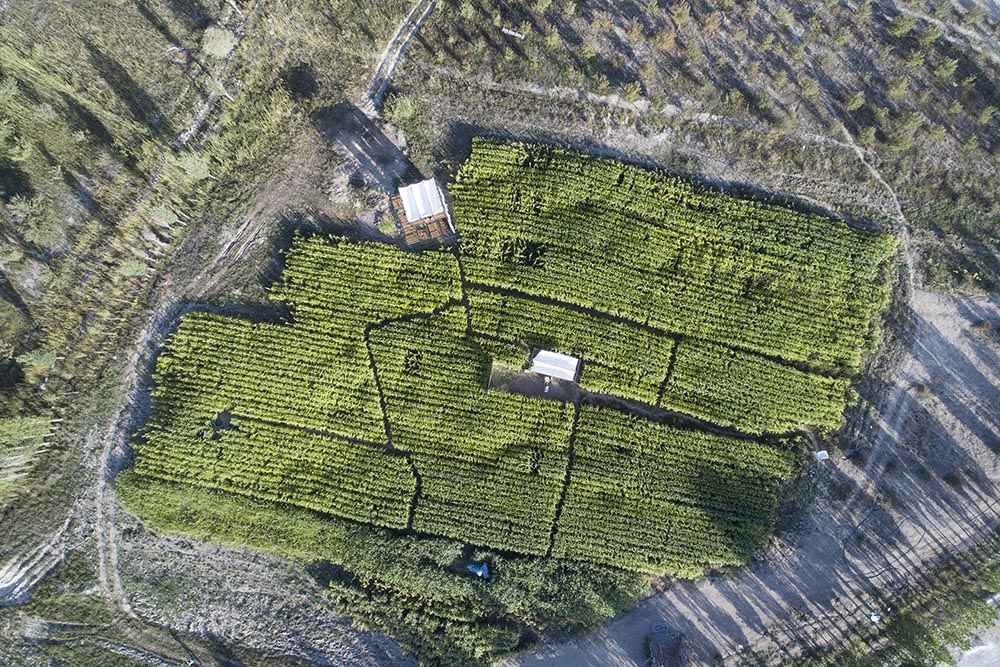
This project explores how temporary architecture can activate semi-public spaces in rural landscapes. Through simple installations and on-site observation, it tests how rethinking land use can support social interaction, flexibility, and future development.
Explore → (Updating…)